

When considering the acquisition of a small concrete pump, it is paramount to approach the decision with meticulous care and thorough understanding. These machines are indispensable in construction projects, offering efficiency and precision in delivering concrete to various locations. However, the plethora of options available in the market can be overwhelming. This article provides a comprehensive checklist that buyers should consider, ensuring that the selected pump meets both project requirements and operational expectations.
From technical specifications to operational cost considerations, each aspect plays a critical role in the longevity and efficacy of your investment. By adhering to the guidelines outlined below, prospective buyers can navigate the complexities of selecting the right small concrete pump with confidence.
The capacity of a concrete pump is a fundamental consideration. Typically measured in cubic meters per hour (m³/h), this metric indicates the volume of concrete the pump can deliver within a specified timeframe. It is crucial to select a pump whose output aligns with your project's demands. For instance, if you are working on a large-scale construction site, a higher capacity pump will be essential to maintain productivity and meet deadlines without interruption.
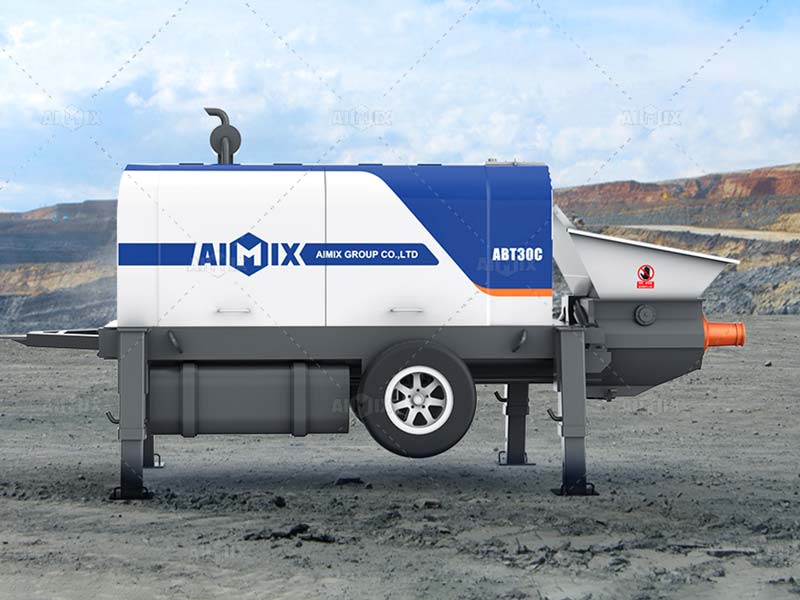
Pressure ratings, often expressed in bar or psi, are indicative of the pump's ability to convey concrete through various distances and heights. Understanding the pressure requirements of your particular project—such as whether the pump will need to transport concrete to elevated areas—is vital. A pump with inadequate pressure ratings may lead to inefficiencies, resulting in delays and increased labor costs.
Concrete pumps can be powered by different sources, including diesel, electric, or hydraulic systems. Each type has distinct advantages and disadvantages. Diesel engines are typically favored for their power and mobility on rough terrains, while electric pumps are ideal for indoor projects due to their reduced emissions and noise levels. Evaluating the power source in conjunction with the project environment will help determine the most suitable option.
The materials used in constructing the pump significantly affect its durability and lifespan. Cement mixer pump manufactured from high-grade steel or reinforced composites tend to withstand the rigors of construction sites more effectively than those made from lower-quality materials. Inspecting the build quality can prevent future repairs and replacement costs, making it an essential factor in your decision-making process.
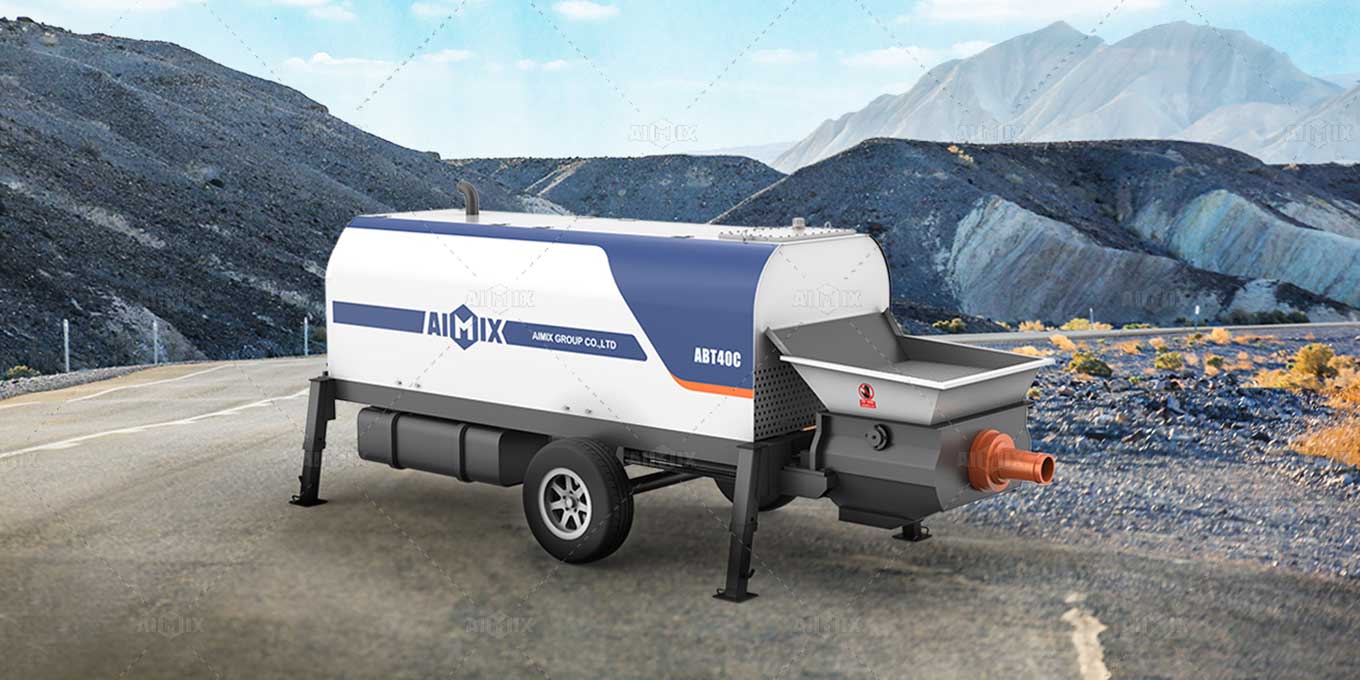
Ease of maintenance is an often-overlooked aspect that can greatly influence operational efficiency. Pumps designed with accessible components simplify routine inspections and repairs, thereby minimizing downtime. Buyers should inquire about the pump's design, specifically whether it allows for easy access to critical parts such as filters, hoses, and pumps. A model that is challenging to maintain can lead to increased operational costs over time.
Safety should never be compromised when selecting a concrete pump mini type. Look for models equipped with essential safety features, such as emergency shut-off valves, overload protection, and robust securing systems. These features not only safeguard operators but also enhance the overall safety of the construction site, reducing the risk of accidents and ensuring compliance with industry regulations.
Fuel efficiency is a critical factor that can influence the long-term operational costs of your small portable concrete pump. A machine that consumes less fuel while delivering optimal performance will ultimately save money over time. Buyers should examine the fuel consumption rates of various models to determine which offers the best balance of power and efficiency.
Lastly, it is advisable to scrutinize the warranty and service agreements provided by the manufacturer. A robust warranty can offer peace of mind, ensuring that any defects or issues are promptly addressed without incurring significant expenses. Furthermore, understanding the availability of service centers and parts is essential for maintaining the pump's performance throughout its lifespan.
Finally, consider the potential resale value of the concrete pump. Some brands and models retain their value better than others, influenced by factors such as brand reputation, build quality, and market demand. A pump that has a higher resale value can ultimately provide a better return on investment, making it a prudent choice for budget-conscious buyers.
