

The Dubai equipment market offers abundant choice. It also offers abundant risk. A machine that looks pristine in a showroom may reveal hidden defects after purchase. A supplier's verbal assurances may prove worthless when a component fails. The buyer who relies on appearances or promises is vulnerable. The buyer who follows a systematic inspection checklist is protected. This article provides an objective, argumentative guide to inspecting a self loading concrete mixer in Dubaibefore purchase in Dubai, UAE. The argument is that a thorough inspection is not optional. It is essential. The cost of a missed defect can exceed the cost of the machine. The checklist covers three areas: mechanical inspection, hydraulic system testing, and operational verification. The buyer who completes this checklist will purchase with confidence. The buyer who skips it will purchase with risk.
The mechanical inspection begins with the frame. Look for cracks, distortion, or evidence of repair. A cracked frame indicates that the machine has been overloaded or has suffered impact damage. The repair may be cosmetic. The structural integrity may be compromised. Run a hand along the frame rails. Feel for welding spatter or uneven surfaces. These indicate poor quality repair. Next, inspect the mixing drum. The drum should be free of dents and perforations. The drum liner should be intact. Use a flashlight to examine the interior. Look for grooves worn into the liner. A liner that is deeply grooved will need replacement. Replacement cost is $2,000 to $5,000. Finally, inspect the chassis. Check the suspension, axles, and wheels. Look for oil leaks at the wheel hubs. Leaks indicate failed seals. The argument is that the mechanical inspection requires time and attention. The buyer who rushes will miss defects. The buyer who is methodical will identify them.
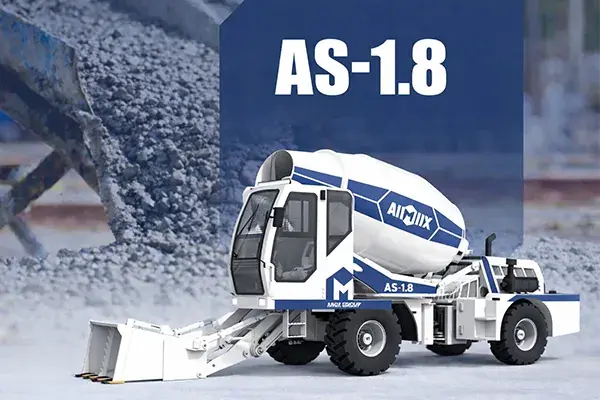
The engine is the most expensive component. Inspect it carefully. Start with the exterior. Look for oil leaks around the valve cover, oil pan, and turbocharger. A small leak may be acceptable. A large leak indicates a failed gasket or seal. Next, examine the engine mounts. The mounts should be intact and securely bolted. A broken mount allows the engine to shift. This can damage hoses, wiring, and the cooling system. Check the cooling system. The radiator should be free of debris. The hoses should be pliable, not cracked. The coolant should be clean. Open the radiator cap (when the engine is cold). Look for oil in the coolant or coolant in the oil. Both indicate a failed head gasket. The argument is that engine repairs are expensive. A replacement engine costs $10,000 to $20,000. The buyer who identifies engine problems before purchase avoids this cost.
The hydraulic system powers the mixing drum, the loading bucket, and the steering. A failure in the hydraulic system stops the concrete mixer machine in UAE. Test the system thoroughly. Start the engine. Engage the hydraulic pump. Listen for unusual noises. A whining sound indicates cavitation. Cavitation damages the pump. A knocking sound indicates a worn pump or motor. Next, operate each hydraulic function. Raise and lower the loading bucket. Rotate the mixing drum forward and reverse. Steer the machine left and right. Each function should operate smoothly. Jerky movement indicates air in the system or a failing valve. Finally, check for hydraulic leaks. Inspect the hoses, fittings, and cylinders. A wet spot indicates a leak. A drip indicates a significant leak. The argument is that hydraulic repairs are costly. A new pump costs $3,000 to $8,000. A new cylinder costs $1,000 to $3,000. The buyer who tests the hydraulic system thoroughly will identify problems before purchase.
The hydraulic oil tells a story. Sample the oil from the reservoir. The oil should be clear and amber. Dark, cloudy oil indicates contamination. A burnt smell indicates overheating. Metallic particles in the oil indicate internal wear. Use a magnet to check for ferrous particles. If particles are present, the pump or motor is failing. Check the hydraulic filter. The filter housing should be clean and dry. A leaking filter indicates a failed seal. Ask the seller for the filter replacement history. A filter that has not been changed regularly indicates poor maintenance. The argument is that hydraulic oil analysis is inexpensive. A lab analysis costs $50 to $100. The buyer who invests in analysis gains insight that a visual inspection cannot provide.
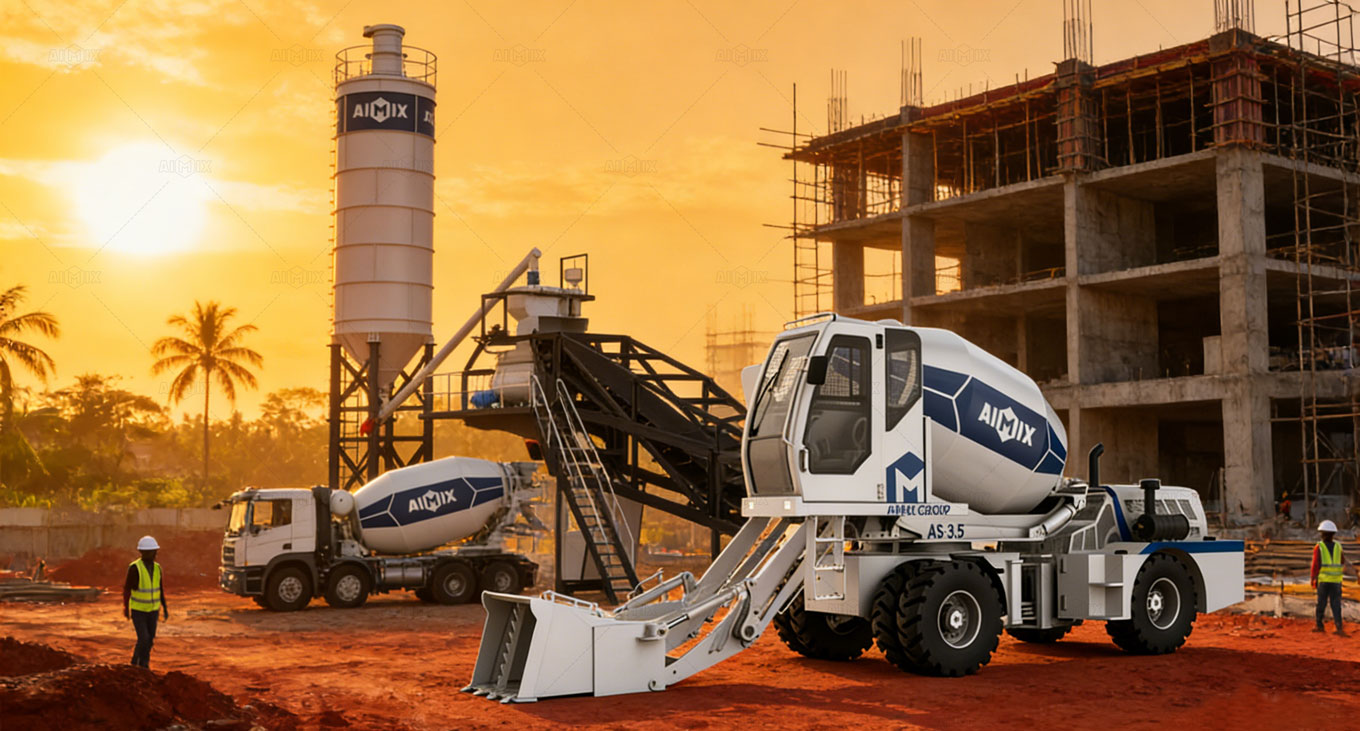
The operational verification begins with a cold start. Start the engine from cold. Listen to the starter motor. It should engage quickly. The engine should start within three seconds of cranking. Excessive cranking indicates a fuel system or compression problem. Observe the exhaust. Black smoke indicates over-fuelling. Blue smoke indicates oil consumption. White smoke indicates coolant in the combustion chamber. Allow the engine to warm up. Watch the temperature gauge. The temperature should rise steadily and stabilise within the normal range. A rapid rise or an unstable reading indicates a cooling system problem. The argument is that a cold start reveals problems that a warm start conceals. The buyer who arrives to find the engine already warm should insist on a cold start.
The final test is a load test. Produce a batch of concrete. Load aggregates and cement into the self loading mixer machine. Mix for the specified time. Discharge the concrete. Observe the discharge. The concrete should flow smoothly. A surging discharge indicates a problem with the mixing drum or the discharge gate. Measure the slump of the concrete. The slump should be consistent with the mix design. A variable slump indicates inaccurate weighing or inconsistent mixing. Weigh the discharged concrete. Compare the weight to the weight of the materials loaded. A significant difference indicates material loss or inaccurate weighing. The argument is that a load test is the only way to verify the machine's production capability. A machine that passes a visual inspection but fails a load test is not a machine worth buying. The buyer who insists on a load test before purchase gains confidence. The buyer who skips the load test assumes risk.
