

Concrete pumping is a critical process in modern construction, facilitating the efficient transportation and placement of concrete at construction sites. One of the key aspects of successful concrete pumping is managing the pumping pressure effectively. In this article, we'll delve into the various factors that influence concrete pumping pressure and explore strategies for managing them.
Concrete pumping pressure plays a crucial role in ensuring the smooth flow and proper placement of concrete during construction projects. Understanding the factors that affect pumping pressure is essential for achieving optimal results.
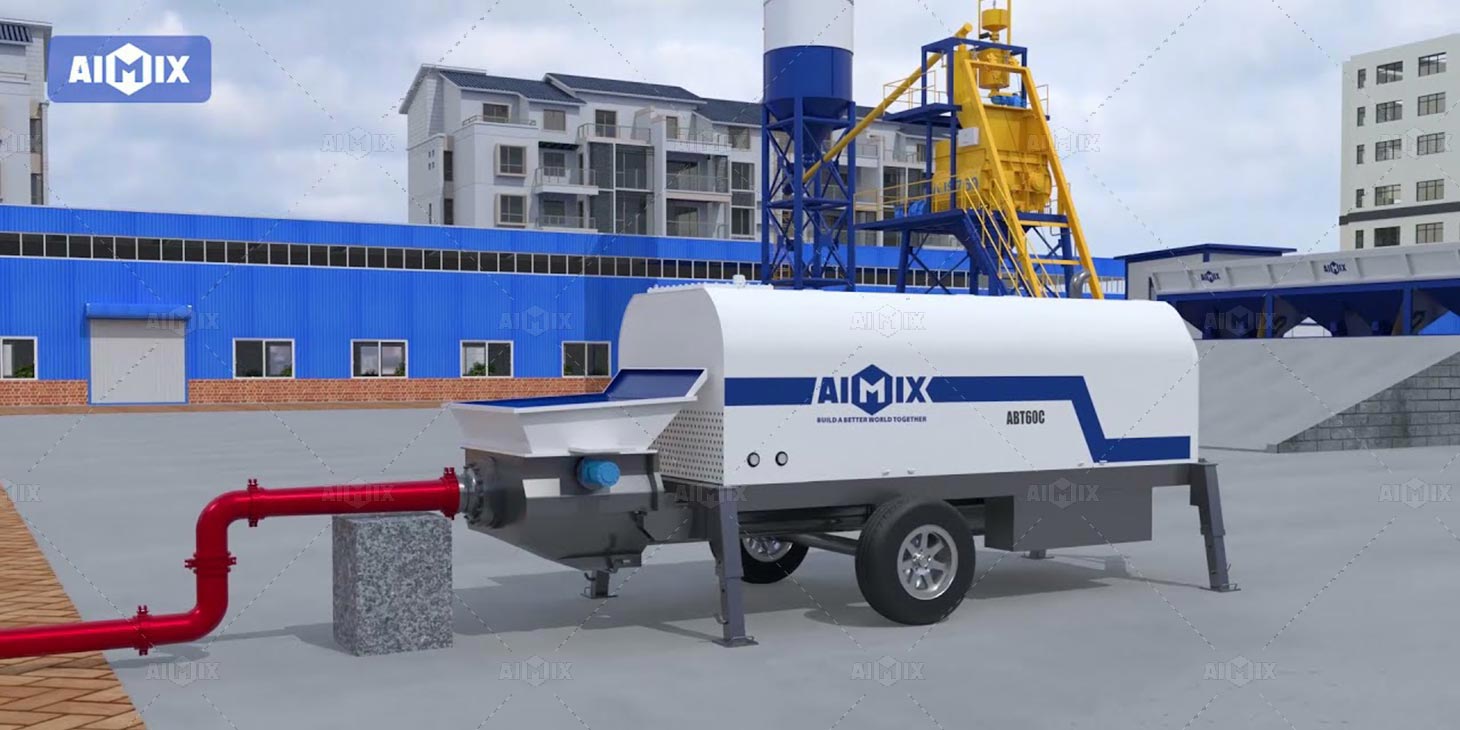
Pump Size and Capacity: The size and capacity of the s valve concrete pump significantly impact pumping pressure. Larger pumps with higher capacities can generate greater pressure to overcome resistance in the pipeline and deliver concrete efficiently.
Pumping Distance and Vertical Height: The distance and height over which concrete needs to be pumped influence the pressure required. Longer horizontal distances and higher vertical lifts necessitate higher pumping pressures to maintain flow and ensure adequate placement.
Pipeline Diameter and Length: The diameter and length of the pipeline also affect pumping pressure. Smaller diameter pipelines and longer pipeline lengths result in greater frictional losses, requiring higher pressures to maintain flow rates.
Aggregate Size and Consistency: The size and consistency of aggregates in the concrete mix impact pumping pressure. Larger aggregates or inconsistent particle sizes can increase resistance and require higher pressures for pumping.
Concrete Mix Proportions: The proportions of ingredients in the concrete mix, particularly the water-cement ratio, affect pumpability. Mixes with higher water content or improper proportions may be more difficult to pump, necessitating higher pressures.
Slump and Workability: The slump and workability of the concrete influence pumping pressure. Concrete with low slump or poor workability may require higher pressures to maintain flow and ensure proper placement.
Ambient Temperature: Temperature affects concrete's rheological properties and viscosity, impacting pumping pressure. Cold temperatures increase concrete viscosity, requiring higher pressures, while hot temperatures may decrease viscosity but increase evaporation rates, necessitating adjustments to pumping parameters.
Humidity Levels: High humidity can affect concrete setting times and increase frictional losses in the pipeline, requiring higher pressures for pumping. Low humidity may accelerate setting times, affecting pumpability and pressure requirements.
Elevation and Atmospheric Pressure: Elevation changes and atmospheric pressure variations influence pumping pressure. Higher elevations result in lower atmospheric pressures, affecting pump performance and requiring adjustments to maintain desired pressure levels.
Regular Inspection and Maintenance of Pump: Routine inspection and maintenance of the concrete pump and mixer are essential for optimal performance and pressure control. Regular checks of components such as seals, hoses, and valves help prevent leaks and ensure efficient operation.
Using Correct Pump Size and Configuration: Selecting the appropriate pump size and configuration based on project requirements is critical for managing pumping pressure. Using undersized pumps may lead to overloading and excessive pressure, while oversized pumps may result in inefficiency and increased energy consumption.
Fine-tuning Aggregate Sizes: Optimizing aggregate sizes and gradations in the concrete mix can help reduce resistance and lower pumping pressure requirements. Properly graded aggregates ensure smoother flow and better pumpability.
Modifying Water-Cement Ratio: Adjusting the water-cement ratio to achieve the desired slump and workability can impact pumping pressure. Balancing water content with cementitious materials helps maintain flowability while minimizing pressure requirements.
Using Insulation and Heating for Cold Weather: In cold weather conditions, insulating pipelines and heating concrete can help reduce viscosity and lower pumping pressure. Preheating aggregates and water can also improve pumpability and minimize pressure fluctuations.
Adjusting Pumping Rate in High Humidity: In high humidity environments, adjusting pumping rates and controlling water content in the mix can mitigate pressure fluctuations. Slowing down pumping speeds and optimizing mix proportions help maintain flowability and prevent blockages.
Compensation for Elevation Changes: When working at different elevations, adjusting pumping parameters to compensate for atmospheric pressure variations is essential. Calculating pressure adjustments based on elevation changes ensures consistent pump performance and efficient concrete placement.
Understanding Pumping Dynamics: Providing comprehensive training to operators on the principles of pumping dynamics and pressure control is crucial for safe and efficient operation. Understanding factors that influence pumping pressure enables operators to make informed decisions and adjust parameters as needed.
Reacting to Pressure Fluctuations: Equipping operators with the knowledge and skills to recognize and respond to pressure fluctuations in real-time is essential for maintaining smooth pumping operations. Implementing protocols for monitoring pressure levels and troubleshooting issues ensures timely intervention and prevents downtime.
Safety Protocols and Emergency Procedures: Training operators in safety protocols and emergency procedures is paramount to minimize risks associated with high-pressure pumping. Educating personnel on proper safety practices, equipment shutdown procedures, and emergency response measures helps mitigate potential hazards and ensures a safe working environment. Learn more details here: https://concretemixerwithpump.com/concrete-mixer-with-pump-for-sale/.
In conclusion, managing concrete pumping pressure involves addressing various factors related to equipment, materials, and environmental conditions. By understanding these key factors and implementing appropriate strategies for pressure control, construction professionals can optimize pumping operations, enhance efficiency, and ensure successful concrete placement in their projects.
