

Self-loading concrete mixers have revolutionized the construction industry with their ability to automatically load, mix, and dispense concrete. These versatile machines streamline the concrete mixing process, offering efficiency and convenience to construction projects of all sizes. However, to ensure consistent performance and longevity, proper maintenance, particularly regular cleaning, is essential.
Frequent cleaning of a self-loading concrete mixer is crucial for maintaining its performance. As concrete dries and hardens, residues accumulate on various components, including the mixing drum, discharge chute, and auger. If these residues are not removed promptly, they can impede the mixer's operation, leading to blockages, uneven mixing, and reduced productivity. By cleaning the mixer at regular intervals, operators can prevent the buildup of hardened concrete and ensure smooth operation during each use.
Conversely, prolonging the intervals between cleaning sessions can have detrimental effects on the performance of a self loading cement mixer for sale. As residues accumulate over time, they become increasingly difficult to remove, requiring more time and effort to clean thoroughly. This not only disrupts construction schedules but also results in downtime and increased labor costs. Additionally, the presence of hardened concrete residues can cause premature wear and tear on the mixer's components, compromising its efficiency and reliability in the long run.
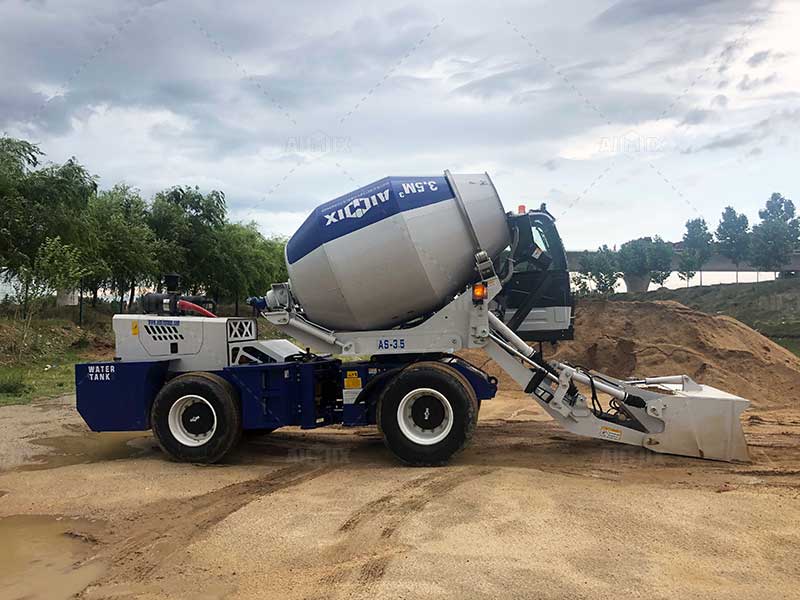
In addition to affecting performance, the cleaning frequency of a self-loading concrete mixer also has a significant impact on its longevity. Concrete contains various chemical compounds, including alkalis and chlorides, which can be corrosive to metal surfaces. Without regular cleaning, these compounds can penetrate the mixer's components, causing corrosion and structural damage over time. By cleaning the mixer regularly, operators can remove corrosive residues and protect its metal surfaces from degradation, thereby extending its lifespan.
On the other hand, infrequent cleaning accelerates the deterioration of AIMIX self-loading concrete mixer's components, leading to costly repairs and replacements. As residues accumulate and harden on metal surfaces, they create abrasive conditions that promote wear and tear. This can result in the erosion of critical components such as the mixing blades, auger, and hydraulic system, compromising the mixer's performance and safety. By neglecting regular cleaning maintenance, operators not only risk equipment failure but also incur additional expenses associated with repairs and downtime.
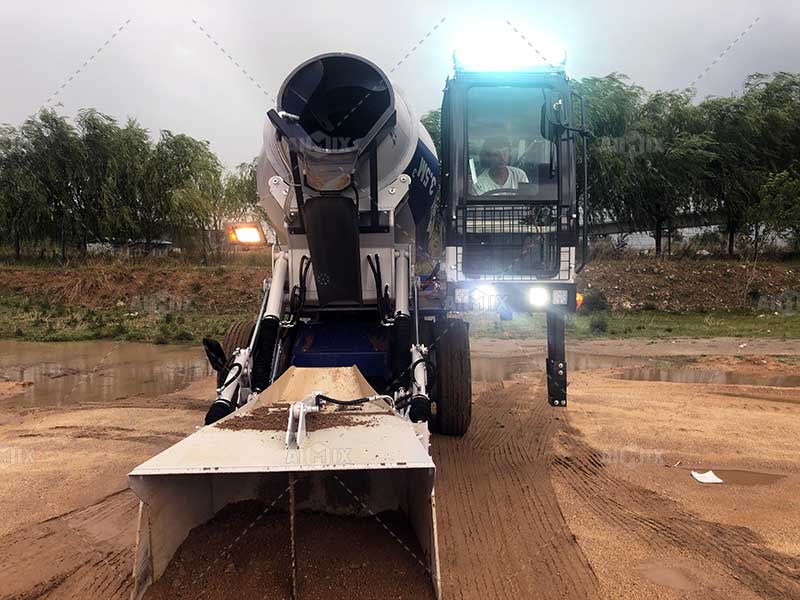
In conclusion, the cleaning frequency of a self-loading concrete mixer plays a crucial role in determining its performance and longevity. Regular cleaning is essential for maintaining optimal functionality, preventing efficiency losses, and extending the mixer's lifespan. By incorporating a proactive cleaning regimen into their maintenance practices, operators can ensure that their self-loading rough terrain concrete mixer operate smoothly and reliably, maximizing productivity and minimizing downtime on construction sites.
