

Crushing and screening plants are indispensable assets in various industries, facilitating the processing of raw materials into valuable products. In this article, we will critically analyze the cost implications of owning and operating a crushing and screening plant compared to alternative solutions.
The initial investment required to acquire a crushing and screening plant can be substantial, encompassing expenses such as purchasing a stone crusher plant, site preparation, and installation. High-quality crushers, screens, conveyors, and other machinery are essential components of a crushing and screening plant, contributing significantly to the upfront capital expenditure. Additionally, costs associated with obtaining permits, licenses, and regulatory compliance measures add to the initial financial outlay.

In addition to initial investment costs, owning and operating a crushing and screening plant entails ongoing operational expenses. These include expenditures related to fuel consumption, electricity usage, maintenance, repairs, and labor wages. Regular maintenance of crushers, screens, and other equipment is essential to ensure optimal performance and prevent costly downtime. Furthermore, the availability of skilled personnel to operate and maintain the plant adds to the operational costs over time.
One alternative to owning and operating a crushing and screening plant is outsourcing these services to third-party contractors or service providers. Outsourcing allows companies to avoid the upfront capital investment and ongoing operational expenses associated with mobile crushing plants ownership. Instead, they pay for the services rendered based on the volume of material processed or other contractual arrangements. While outsourcing may offer cost savings in the short term, it can result in higher long-term expenses and lack of control over the quality and timing of crushing and screening operations.
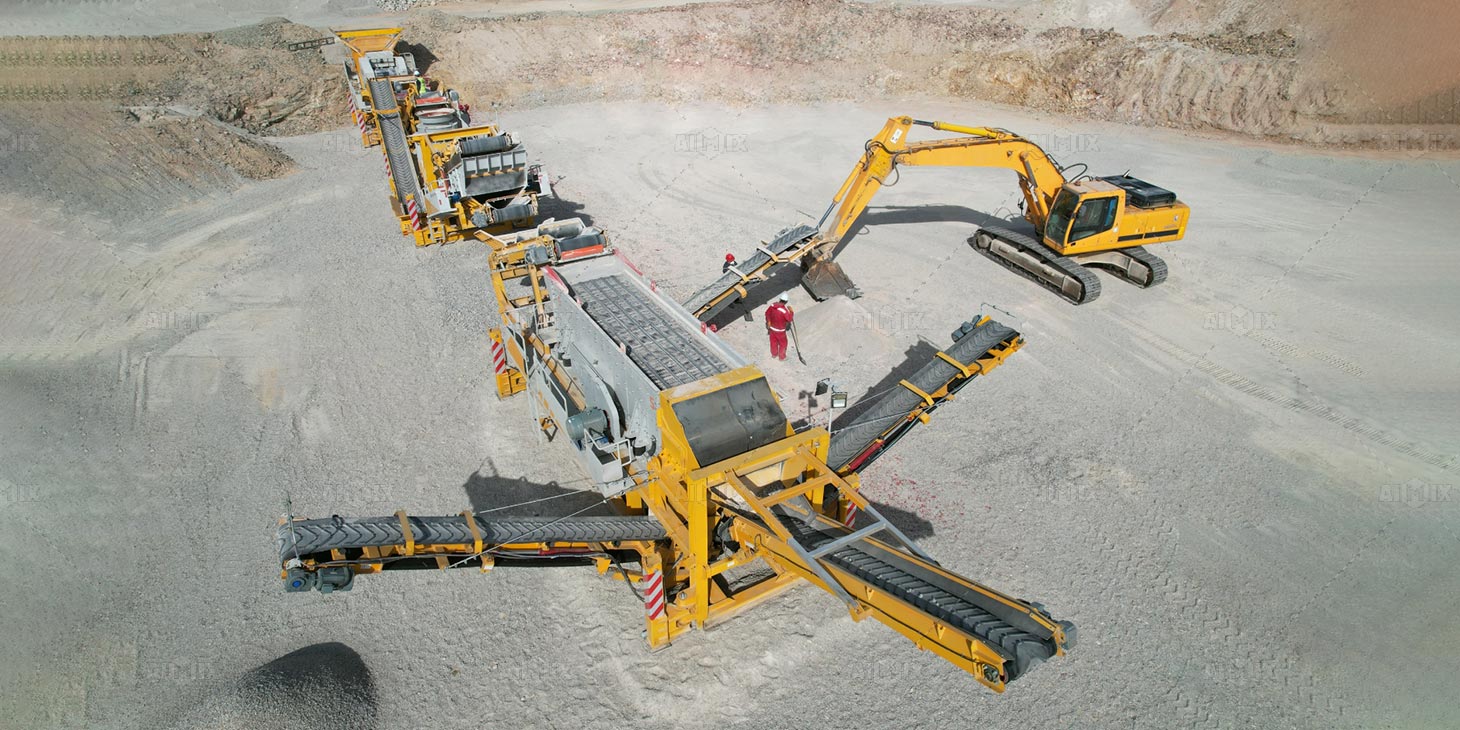
Another alternative to plant ownership is renting or leasing crushing and screening equipment on a temporary or project-specific basis. Renting allows companies to access state-of-the-art equipment without the burden of ownership, thereby reducing upfront investment costs. Additionally, renting offers flexibility, allowing companies to scale their operations according to project requirements and fluctuations in demand. However, rental fees can accumulate over time, potentially exceeding the cost of owning a plant in the long run. Moreover, companies may face limitations in equipment availability and customization options when renting or leasing equipment.
In conclusion, the cost of owning and operating a crushing and screening plant must be carefully evaluated in comparison to alternative solutions such as outsourcing services or renting equipment. While plant ownership entails significant upfront and ongoing expenses, it offers greater control over operations and long-term cost-effectiveness. Companies must weigh the pros and cons of each option based on their specific needs, budgetary constraints, and long-term strategic objectives to make informed decisions regarding their crushing and screening requirements.
