

Investing in a 200 TPH crusher plant entails a comprehensive understanding of the initial costs, long-term returns, and economic viability. Let's delve into these aspects to discern the feasibility and potential of such an investment.
A 200 TPH crusher plant encompasses various components, each contributing to the overall cost. These include the primary crusher, secondary crusher, conveyor belts, control panel, and auxiliary equipment. Additionally, factors such as site preparation, installation, and commissioning expenses need to be considered.
Several factors influence the initial investment required for a 200 TPH crusher plant. These may include the choice of equipment manufacturer, quality of machinery, geographical location, regulatory compliance portable crusher machine costs, and availability of skilled labor. Furthermore, fluctuations in material prices and currency exchange rates can impact the overall investment.
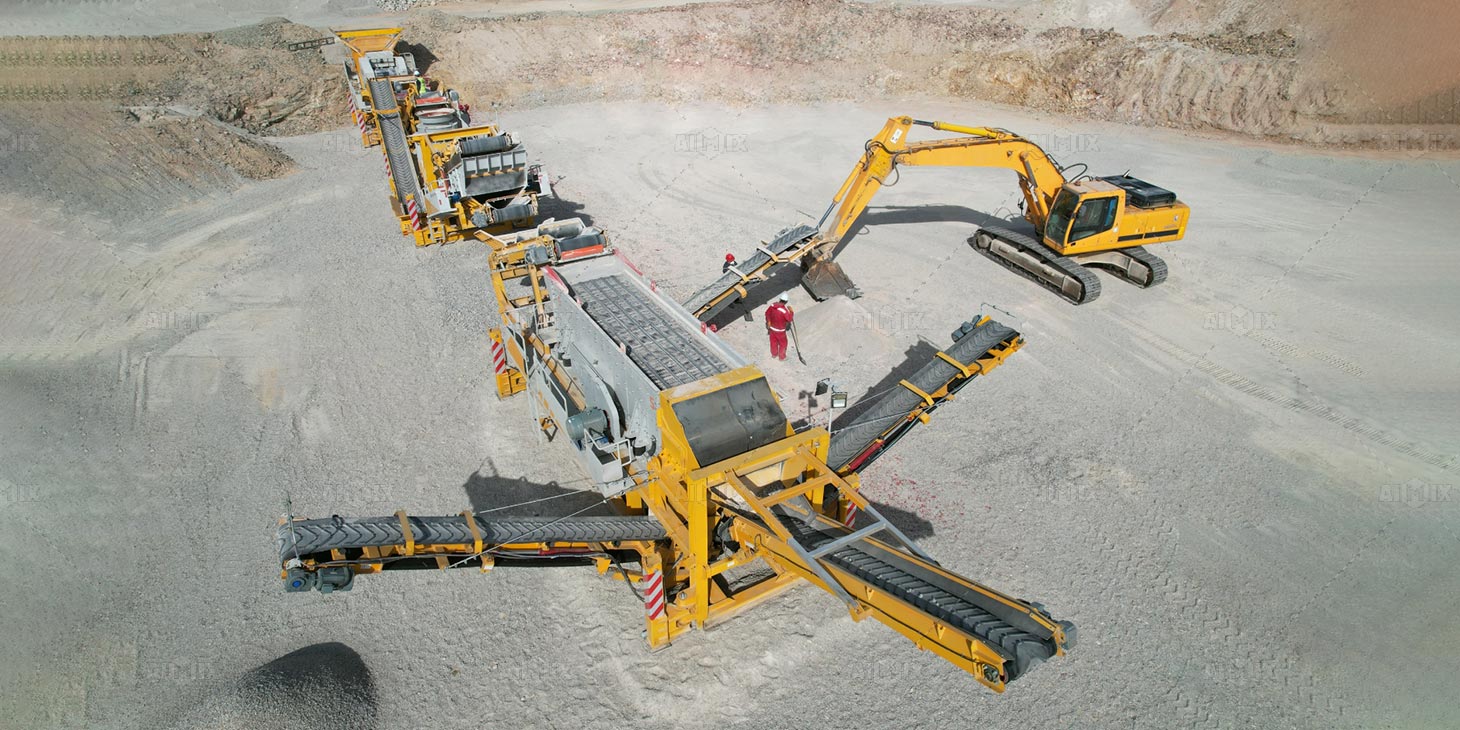
Operational efficiency plays a crucial role in determining the long-term returns of a 200 TPH crusher plant. Factors such as production capacity, energy consumption, and material wastage significantly affect operational costs. Investing in advanced technology and efficient equipment can enhance productivity and minimize operational expenses, thereby maximizing returns over time. Check more details here: https://aimixgroup.com/stone-crusher-plants/rock/.
Anticipating maintenance costs is essential for evaluating the long-term returns of a crusher plant. Regular maintenance and timely repairs are crucial to ensure uninterrupted operation and prolong the lifespan of equipment. Assessing the reliability of machinery, availability of spare parts, and maintenance service agreements are key considerations in predicting maintenance costs and optimizing the return on investment.
The economic viability of a 200 TPH crusher plant depends on market demand for construction aggregates and related materials. Conducting a thorough market analysis to identify demand trends, competition, and potential customers is imperative. Moreover, assessing future growth prospects and infrastructure development projects can provide insights into the long-term sustainability of the investment.

Before committing to a 200 TPH crusher plant investment, it's essential to weigh the benefits against alternative solutions. This may include renting equipment, outsourcing crushing operations, or opting for smaller capacity plants. Evaluating the cost-effectiveness, flexibility, and scalability of each option can help make an informed decision that aligns with the company's objectives and budget constraints.
In conclusion, deciphering the investment for a 200 TPH crusher plant requires a meticulous analysis of initial 150 tph crusher plant price, long-term returns, and economic viability. By understanding the factors influencing the investment and evaluating operational efficiency, maintenance costs, market demand, and alternative solutions, stakeholders can make informed decisions to maximize returns and achieve sustainable growth.
