

The selection of the right stone crusher holds paramount importance in the realm of stone crushing operations. This article explores the significant impact that the choice of stone crusher can have on the overall efficiency and productivity of a crushing operation, emphasizing the crucial factors that stakeholders must consider when making this pivotal decision.
The type and design of the stone crusher play a pivotal role in determining the efficiency and productivity of a crushing operation. Different crushers are engineered to handle specific types of stone materials and operational requirements. For instance, jaw crushers excel in primary crushing applications, offering high throughput rates and uniform particle size distribution. On the other hand, mobile cone crushers are renowned for their ability to produce fine aggregates and cubical-shaped particles, making them ideal for secondary and tertiary crushing stages.
Furthermore, the design features of a crusher, such as its crushing chamber geometry, eccentric throw, and crusher speed, can significantly impact its performance and productivity. Crushers with optimized designs and innovative features, such as hydraulic adjustment systems and variable speed drives, often outperform their counterparts in terms of throughput, product quality, and energy efficiency.
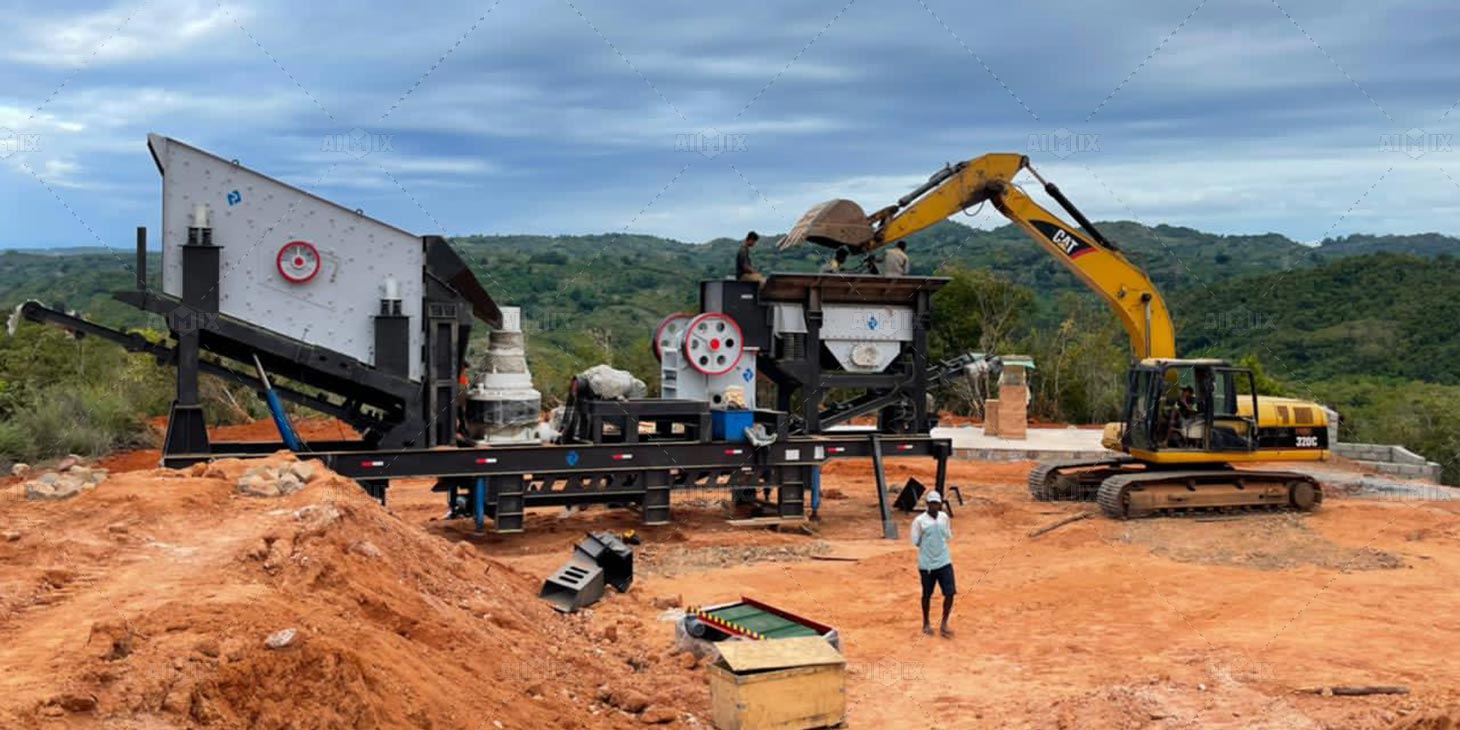
In addition to crusher type and design, maintenance and operational considerations play a crucial role in determining overall efficiency and productivity. Neglected maintenance and suboptimal operational practices can lead to downtime, reduced throughput, and increased operating costs. Regular maintenance activities, including lubrication, inspection of wear parts, and timely replacement of consumable components, are essential for ensuring the smooth operation of crushers and maximizing their lifespan.
Moreover, operational efficiency can be enhanced through proper equipment utilization, optimal feed control, and adherence to recommended operating parameters. Implementing best practices in material handling, such as minimizing material spillage and ensuring consistent feed rates, can prevent bottlenecks and optimize stone crush plant performance. Additionally, investing in operator training programs and utilizing advanced automation and monitoring systems can further improve operational efficiency and productivity.
To illustrate the tangible impacts of crusher choice on the efficiency and productivity of stone crushing operations, let us consider a few real-world examples. In a quarry operation dealing with abrasive granite, the adoption of a high-capacity impact crusher led to a significant increase in production output and reduced wear-related downtime compared to the previously used jaw crusher.

Conversely, in a gravel pit processing softer limestone, the introduction of a cone crusher optimized for fine crushing resulted in improved particle shape and increased product quality, enhancing the marketability of the final aggregates. These case studies underscore the pivotal role of crusher selection in driving operational efficiency and productivity gains in stone crushing operations. Learn more info here: https://aimixcrusherplant.com/mobile-crushing-plant/.
In conclusion, the choice of stone crusher has a profound impact on the overall efficiency and productivity of a stone crushing operation. By carefully considering factors such as crusher type, design, maintenance practices, and operational considerations, stakeholders can optimize crusher performance and maximize returns on their investment. As the cornerstone of stone crushing operations, selecting the right crusher is essential for achieving operational excellence and sustainable productivity in the aggregates industry.
